What Does Namaste Mean? Origins and Use in Yoga
Namaste is a respectful greeting of Sanskrit origin commonly translated as ‘I bow to you’ or ‘salutations to you’. Many yoga classes use it at the end, but its meaning extends beyond yoga. The longer spiritual phrases often attached to it are interpretations rather than literal translations.
If you have heard ‘namaste’ without knowing whether to reply, join your hands or repeat a phrase, start with the context. It is a greeting, not a test of whether you belong in the class or can perform a gesture perfectly.
What does namaste literally mean?
The expression brings together namas, connected with homage or greeting, and te, ‘to you’. The American Heritage Dictionary records this etymology and its use as a respectful greeting or farewell.
‘The light in me honours the light in you’ is a spiritual interpretation widely used in contemporary yoga. It may express what a teacher hopes to communicate, but it is not a word-for-word translation of namaste.
Keeping these levels separate makes the term easier to understand: its linguistic meaning is one thing; the personal or teaching meaning someone gives it in class is another.
Where the greeting comes from and when it is used
Namaste is used in South Asian cultural contexts and has become part of the international vocabulary of yoga. In an interview about its history, Sanskrit scholar Jim Mallinson describes its role as a formal greeting and questions the idea that it is an essential formula within yoga practice.
The customs of one school should not become a universal rule. Some teachers close with namaste, others thank the group in their own language, and others leave a quiet moment without a spoken greeting.
How it relates to bringing the palms together
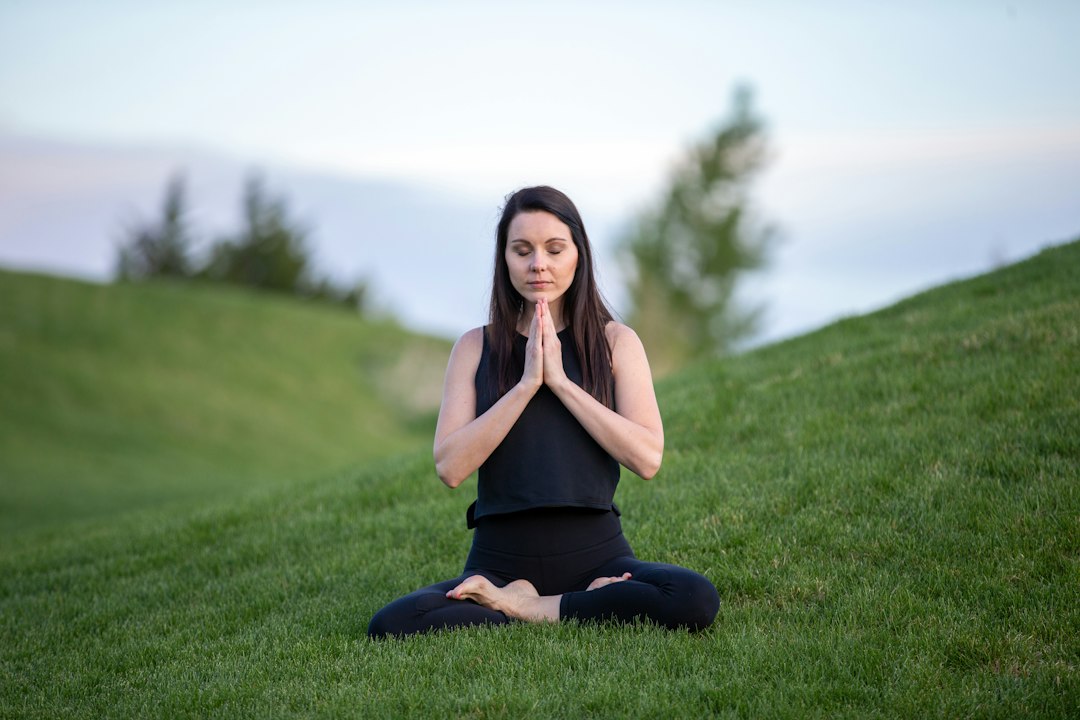
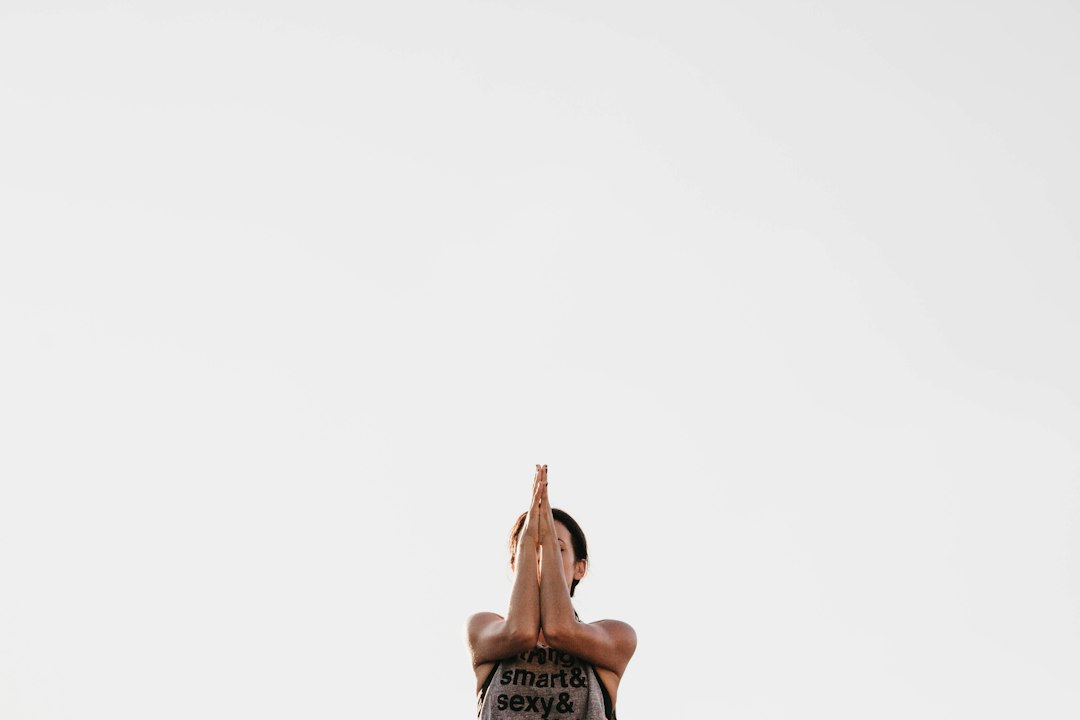
The word may accompany palms joined in front of the chest and a slight bow of the head. In yoga classes, this hand gesture is often called anjali mudra. The gesture and the word are related through their use, but they are not interchangeable terms.
You may also see the gesture during a posture without anyone saying namaste. Our guide to hand mudras introduces other gestures and distinguishes their physical shape from their symbolism.
Why some teachers say namaste at the end of yoga
In many contemporary classes it provides a shared ending: movement finishes, attention returns to the room and the time spent practising is acknowledged. The intention depends on the teacher and the group.
After Savasana, for example, a teacher might invite everyone to sit, bring their hands together and acknowledge the practice. That moment does not require special properties to be assigned to the word, or a claim that all traditions have always ended classes this way.
How to respond when someone says namaste
You can return the greeting, accompany it with a respectful gesture or thank the teacher in your own words. If repeating it does not feel comfortable, remaining quietly present is also an option.
During a first class, listen to the explanation before copying the gesture. Asking ‘What does this greeting mean in your class?’ is more useful than memorising a long interpretation. A welcoming teacher should make room for that question.
Frequently asked questions
Does namaste mean thank you?
Its basic meaning is a respectful greeting. It may accompany thanks at the end of class, but it is not a literal equivalent of ‘thank you’.
Do I have to say it to practise yoga?
No. You can practise without using the word. Taking part in a greeting does not measure your experience, concentration or commitment.
Is namaste a mantra?
Its usual function is a greeting. An expression does not automatically become a mantra because it is spoken in a yoga room.
Find a class where you can learn with context
Explore yoga studios and workshops on Yogagenda. Ask the organiser about the teaching approach, level and how philosophical ideas are introduced during sessions.
Photo: Benjamin Child / Unsplash. Illustrative image.

About the author
Musa Arradi
SEO specialist and founder of Yogagenda · Yoga practitioner
I came to yoga a few years ago looking for a way to switch off and found a way of life. I work in SEO, and Yogagenda is my way of bringing the two together: helping studios and schools across Spain be found, and giving something back to yoga for all it has given me.