Yoga vs Pilates: How to Choose Your First Class
The main difference between yoga and Pilates lies in their frameworks. Yoga includes traditions that may combine postures, breathing, meditation and philosophy. Pilates is an exercise method centred on controlled movement, coordination and physical practice.
The experience varies considerably: yoga can be physically demanding and Pilates can move slowly. Choosing a class means looking at its actual programme, teacher and available adaptations.
Yoga vs Pilates: a quick comparison
| Aspect | Yoga | Pilates |
|---|---|---|
| Framework | Different traditions and styles; may include philosophy and meditation. | An exercise method emphasising control and coordination. |
| Movement | Held postures or flowing sequences, depending on the style. | Controlled exercises with repetitions and progressions. |
| Breathing | May accompany movement or be explored as a separate practice. | Coordinated with each exercise and its demands. |
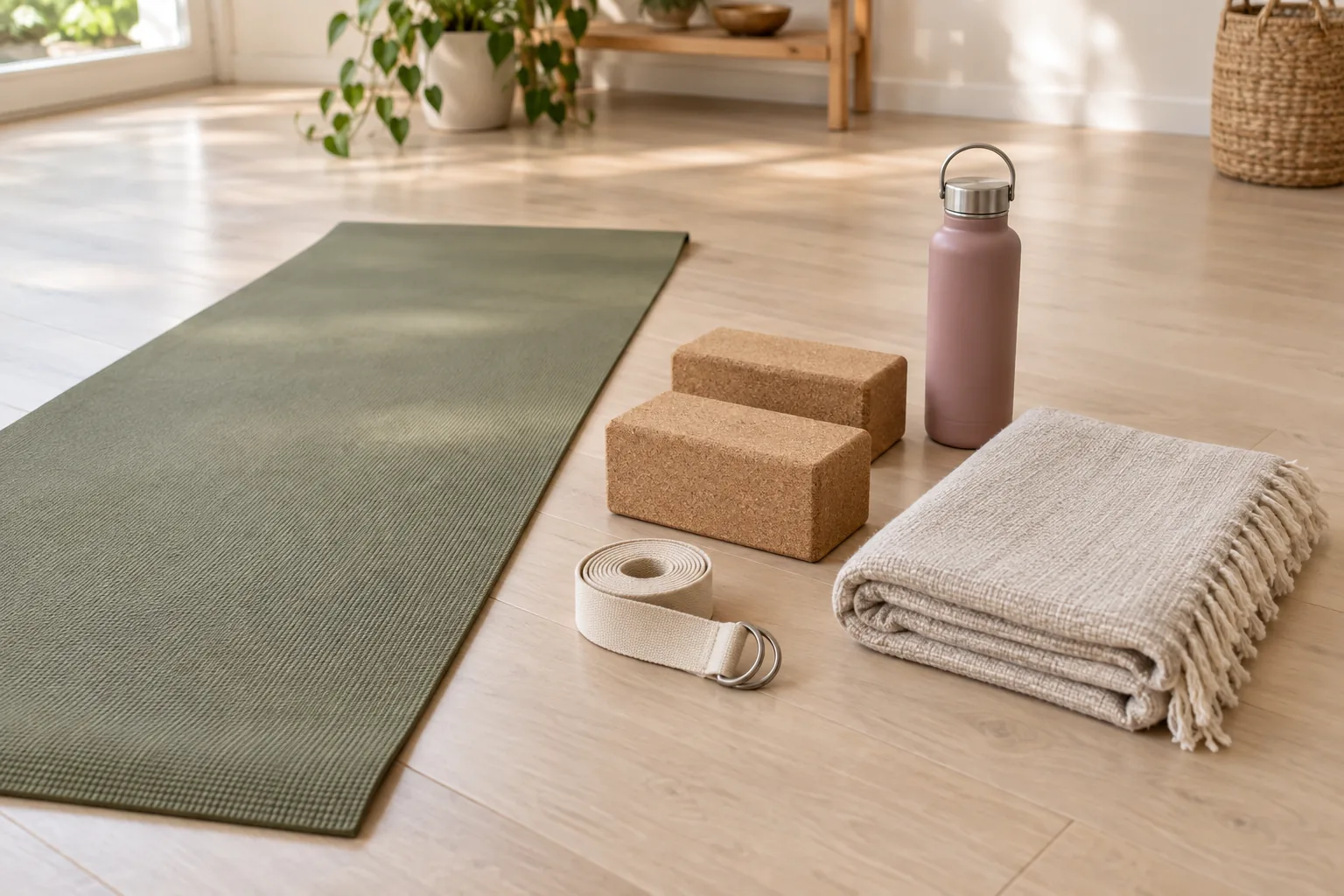
| Equipment | A mat and, when useful, blocks, blankets or a strap. | A mat, accessories or apparatus such as a reformer. |
| Intensity | Depends on the style, level and individual session. | Depends on exercises, resistance and the individual session. |
What to expect in a yoga class
A posture-based class often starts with time to settle, moves through asanas and finishes with rest. Some sessions include meditation, breathing techniques or philosophical context; others focus mainly on movement.
Even two classes both labelled yoga can have very different rhythms. The comparison between Hatha and Vinyasa illustrates why choosing ‘yoga’ alone does not tell you how long you will stay in a posture or how many transitions there will be.
If you have never attended a class, our guide to yoga for beginners explains how to interpret class levels and prepare for a first session.
What to expect in a Pilates class
Pilates exercises call for attention to position, control and breathing. The NHS describes it as a form of exercise focused on balance, posture, strength and flexibility.
One useful distinction is mat Pilates versus apparatus-based classes. Mat sessions may use accessories, while reformer classes also depend on the apparatus and its resistance settings. Neither label alone guarantees an easy or advanced session.
How to choose according to the practice you want
Try yoga if you are interested in exploring postures alongside breathing, attention and, depending on the school, philosophy. Try Pilates if you prefer a session organised around exercises and movement control. These are useful starting points, not absolute boundaries.
Think about a concrete preference: would you like a dynamic class after work, a slower session with explanations, or time for stillness? Describing this to a centre usually helps more than asking which discipline is ‘better’.
You can also combine them. Before filling your week with classes, consider a frequency you can sustain with time to rest and without turning every session into an obligation.
Questions to ask before joining
- Is this an introductory class or is experience expected?
- How many people attend per teacher?
- Are alternatives offered, and can I take a break when needed?
- Which equipment is included?
- What do ‘gentle’, ‘dynamic’ or ‘all levels’ mean in this particular class?
If you have pain, an injury or a health condition requiring adaptations, do not choose solely by the discipline’s name. Ask an appropriate professional about suitability and tell the teacher what you need.
Frequently asked questions
Which is more intense?
There is no universal answer. Compare classes of similar level and length, and ask about their actual demands.
Can yoga involve strength work?
Many sessions involve supporting body weight and moving through demanding transitions. Others prioritise rest. The style and programme matter.
Is Pilates only about abdominal muscles?
No. Although trunk control is prominent, Pilates involves movement and coordination across different parts of the body.
Compare the teaching approach before signing up
Explore yoga studios on Yogagenda and use each listing’s enquiry form to ask about introductory classes, timetables and adaptations.
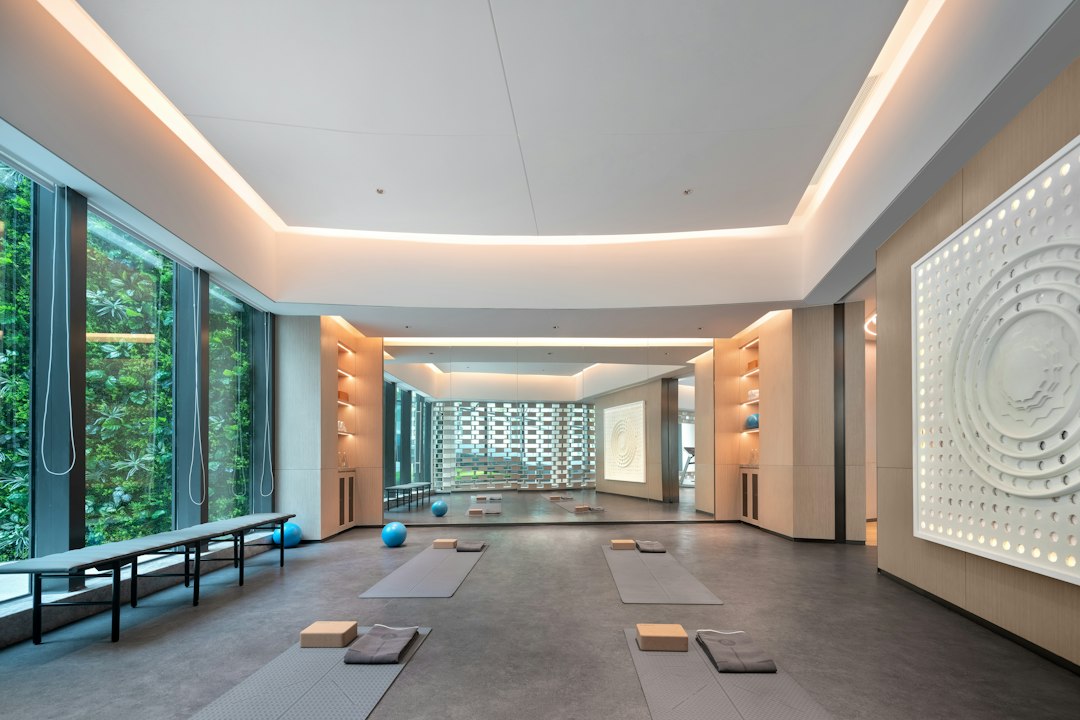
Photo: eran design / Unsplash. Illustrative image.

About the author
Musa Arradi
SEO specialist and founder of Yogagenda · Yoga practitioner
I came to yoga a few years ago looking for a way to switch off and found a way of life. I work in SEO, and Yogagenda is my way of bringing the two together: helping studios and schools across Spain be found, and giving something back to yoga for all it has given me.